

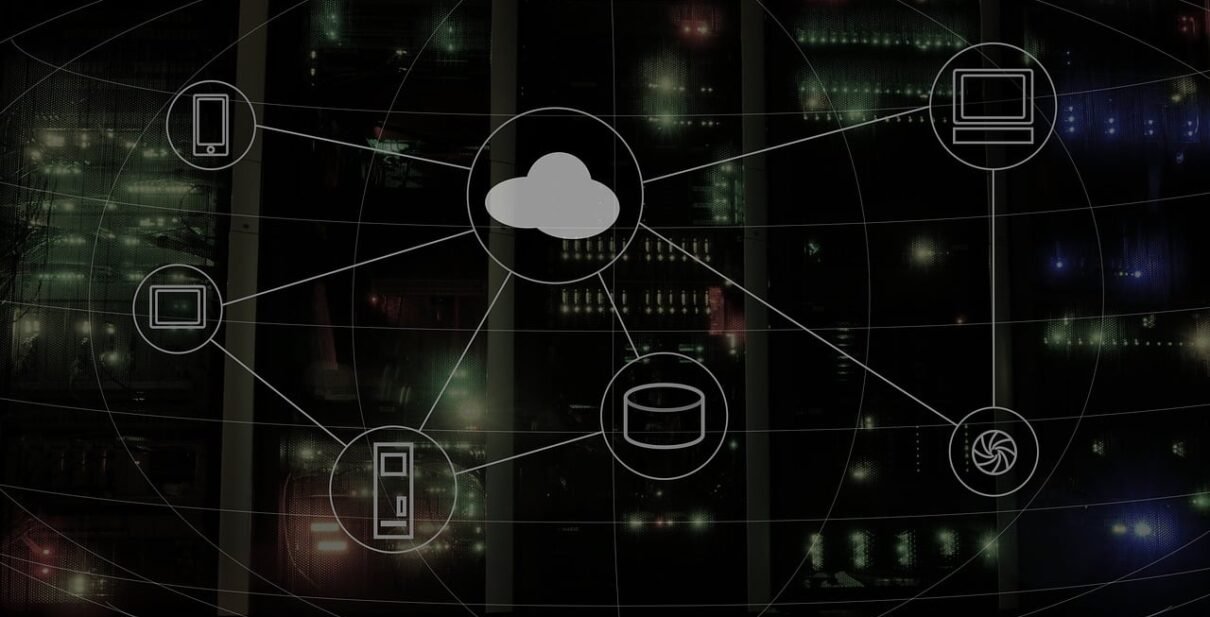
Digital transformation has fundamentally changed how organizations collect, process, and leverage data to drive business value. The traditional approach of storing data in isolated silos is no longer adequate for modern enterprises that need real-time insights, predictive analytics, and seamless data integration across multiple systems. This comprehensive analysis explores strategic approaches to data architecture that enable successful digital transformation initiatives.
The Modern Data Landscape:
Data Volume and Variety Explosion: Organizations today generate and collect data at unprecedented scales and in diverse formats. From traditional structured databases to unstructured social media content, IoT sensor data, video streams, and document repositories, the variety of data sources continues to expand exponentially. Modern data architectures must accommodate this diversity while maintaining performance and accessibility for analytics and business intelligence applications.
Real-Time Processing Requirements: Business demands for real-time insights have shifted architectural requirements from batch processing models to streaming data architectures. Organizations need systems that can process, analyze, and act on data as it arrives, enabling immediate responses to market changes, operational issues, and customer behaviors. This shift requires fundamental changes in how data pipelines are designed and implemented.
Cloud-First Strategies: The migration to cloud platforms has opened new possibilities for data architecture while introducing new complexities. Cloud-native data services offer scalability, flexibility, and cost optimization opportunities, but require careful planning for data governance, security, and integration with existing on-premises systems. Hybrid and multi-cloud strategies add additional layers of complexity that must be addressed in architectural planning.
Strategic Architecture Components:
Data Lake vs. Data Warehouse Evolution: The traditional debate between data lakes and data warehouses has evolved into a more nuanced understanding of how different storage and processing models serve different business needs. Modern architectures often implement data lake houses that combine the flexibility of data lakes with the structure and performance of data warehouses. This hybrid approach enables organizations to store raw data economically while providing high-performance access for critical business intelligence applications.
Event-Driven Architecture: Event-driven architectures enable real-time data processing and system integration by treating data changes as events that trigger downstream processing. This approach supports scalable, loosely coupled systems that can adapt to changing business requirements without extensive system modifications. Event streaming platforms like Apache Kafka have become central components of modern data architectures.
API-First Data Integration: Application Programming Interfaces (APIs) have become the primary mechanism for data integration and sharing across systems. API-first approaches enable flexible data access patterns, support microservices architectures, and facilitate integration with external partners and services. Well-designed APIs abstract underlying data complexity while providing secure, controlled access to data assets.
Implementation Strategies:
Microservices and Data Domains: Breaking large, monolithic data systems into smaller, domain-specific microservices improves maintainability, scalability, and team productivity. Each microservice owns its data and exposes functionality through well-defined APIs. This approach aligns with Domain-Driven Design principles and enables organizations to evolve different parts of their data architecture independently.
Data Mesh Architecture: The data mesh approach treats data as a product and distributes data ownership to domain teams rather than centralizing it in a single data team. This strategy improves data quality, reduces bottlenecks, and enables better alignment between data assets and business needs. However, it requires strong governance frameworks and standardized platforms to prevent fragmentation.
Containerization and Orchestration: Container technologies like Docker and orchestration platforms like Kubernetes have revolutionized how data processing systems are deployed and managed. Containerized data applications offer improved resource utilization, simplified deployment processes, and better scalability. Container orchestration enables automated scaling, health monitoring, and resource management for complex data processing workflows.
Data Governance and Quality:
Automated Data Quality Management: Manual data quality processes cannot scale to meet the demands of modern data volumes and velocity. Automated data quality tools can continuously monitor data for accuracy, completeness, consistency, and timeliness. These systems can automatically flag quality issues, apply correction rules, and maintain quality metrics that inform business decisions about data reliability.
Data Lineage and Catalog Systems: Understanding data origins, transformations, and dependencies is crucial for maintaining data trust and regulatory compliance. Data lineage systems automatically track data flow through processing pipelines, while data catalogs provide searchable inventories of available data assets. These tools enable data scientists and analysts to understand data context and make informed decisions about data usage.
Privacy and Compliance by Design: Data privacy regulations like GDPR and CCPA require organizations to implement privacy protections at the architectural level rather than as an afterthought. Privacy-by-design principles include data minimization, purpose limitation, anonymization techniques, and consent management systems. Architectural patterns like differential privacy and homomorphic encryption enable analytics while protecting individual privacy.
Technology Stack Considerations:
Polyglot Persistence: Different types of data and use cases require different storage technologies. Polyglot persistence strategies use the most appropriate database technology for each specific need rather than forcing all data into a single system. This might include relational databases for transactional data, document stores for semi-structured data, graph databases for relationship analysis, and time-series databases for IoT data.
Serverless Computing: Serverless computing platforms enable data processing without managing underlying infrastructure. Functions-as-a-Service (FaaS) platforms can automatically scale data processing based on demand, reducing costs and operational complexity. Serverless architectures are particularly effective for event-driven data processing and ETL operations that have variable workloads.
Edge Computing Integration: As IoT devices and edge computing become more prevalent, data architectures must accommodate processing at the network edge. Edge data processing reduces latency, bandwidth usage, and privacy concerns by processing data closer to its source. However, it requires new approaches to data synchronization, consistency, and management across distributed edge locations.
Performance and Scalability:
Horizontal vs. Vertical Scaling: Modern data architectures must be designed for horizontal scaling to accommodate growing data volumes and user loads. This requires careful consideration of data partitioning strategies, distributed processing frameworks, and load balancing approaches. While vertical scaling (adding more powerful hardware) is simpler to implement, horizontal scaling provides better long-term cost effectiveness and resilience.
Caching Strategies: Intelligent caching at multiple levels can dramatically improve data access performance and reduce infrastructure costs. This includes database query result caching, application-level caching, content delivery network (CDN) caching for static data, and in-memory data grids for frequently accessed datasets. Cache invalidation strategies must ensure data consistency while maximizing performance benefits.
Query Optimization: As data volumes grow, query performance becomes increasingly important for user experience and operational efficiency. Modern data architectures should include automated query optimization, indexing strategies, materialized views for common query patterns, and query result caching. Machine learning-based query optimizers can automatically improve performance based on usage patterns.
Emerging Trends and Technologies:
Artificial Intelligence Integration: AI and machine learning are becoming integral components of data architectures rather than separate systems. This includes automated data classification, intelligent data discovery, ML-powered data quality monitoring, and embedded analytics capabilities. AI-driven data architectures can automatically optimize performance, detect anomalies, and recommend improvements.
Quantum Computing Implications: While still emerging, quantum computing has the potential to revolutionize certain types of data processing, particularly in areas like cryptography, optimization, and simulation. Organizations should begin considering how quantum computing might impact their long-term data architecture strategies, particularly for computationally intensive analytics applications.
Sustainability Considerations: Environmental impact is becoming an important factor in data architecture decisions. Green computing practices include optimizing data center energy usage, implementing efficient data compression algorithms, choosing renewable energy sources for cloud providers, and designing systems that minimize unnecessary data movement and processing.
Implementation Roadmap:
Assessment and Planning Phase: Successful data architecture transformation begins with a comprehensive assessment of current state capabilities, data assets, and business requirements. This includes data inventory creation, system integration mapping, performance baseline establishment, and gap analysis identification. The planning phase should result in a clear roadmap with prioritized initiatives and success metrics.
Pilot Project Implementation: Starting with pilot projects allows organizations to validate architectural approaches, train teams, and demonstrate value before committing to large-scale transformations. Pilot projects should be selected based on business impact potential, technical feasibility, and learning opportunities. Success criteria should be clearly defined and measured throughout the pilot phase.
Iterative Scaling: Data architecture transformation should follow an iterative approach that allows for learning and adjustment based on real-world experience. Each iteration should build on previous successes while incorporating lessons learned and changing business requirements. This approach reduces risk while enabling continuous improvement and adaptation.